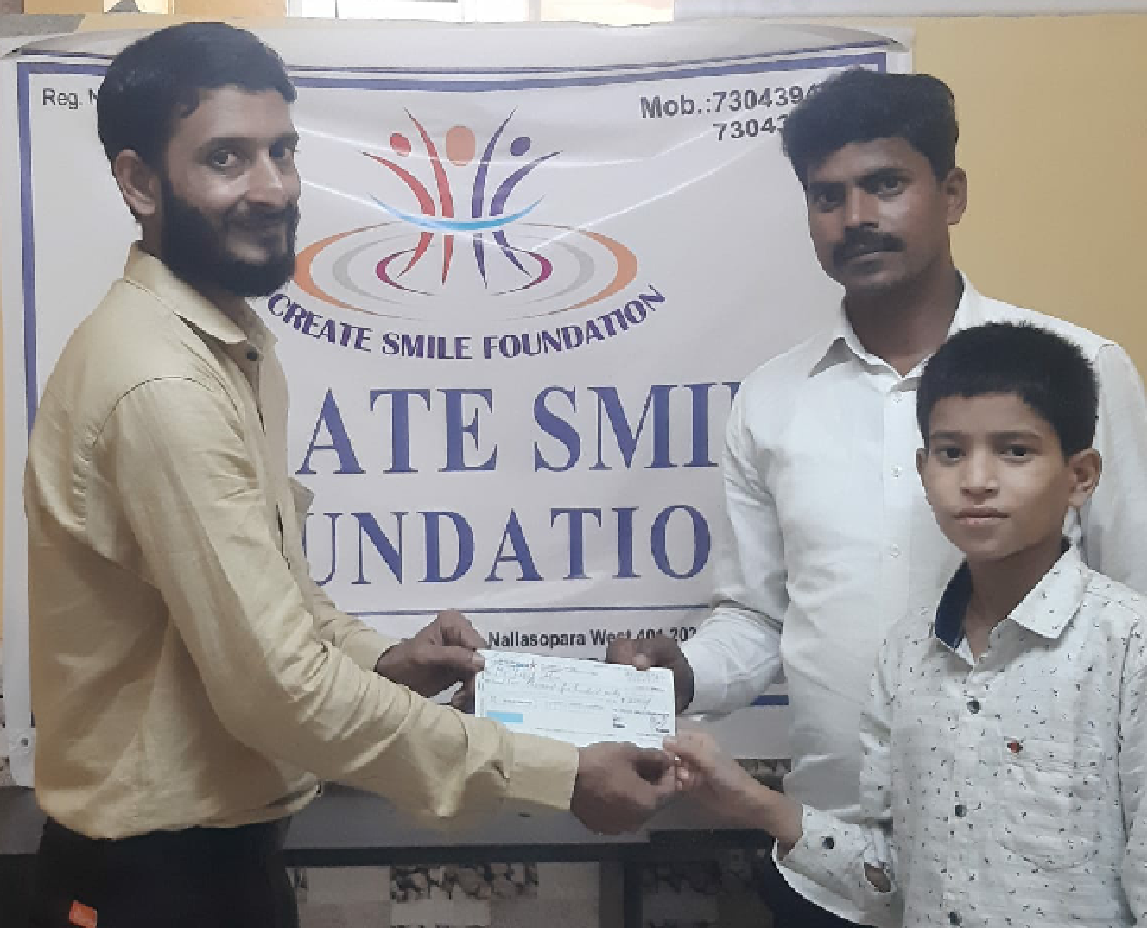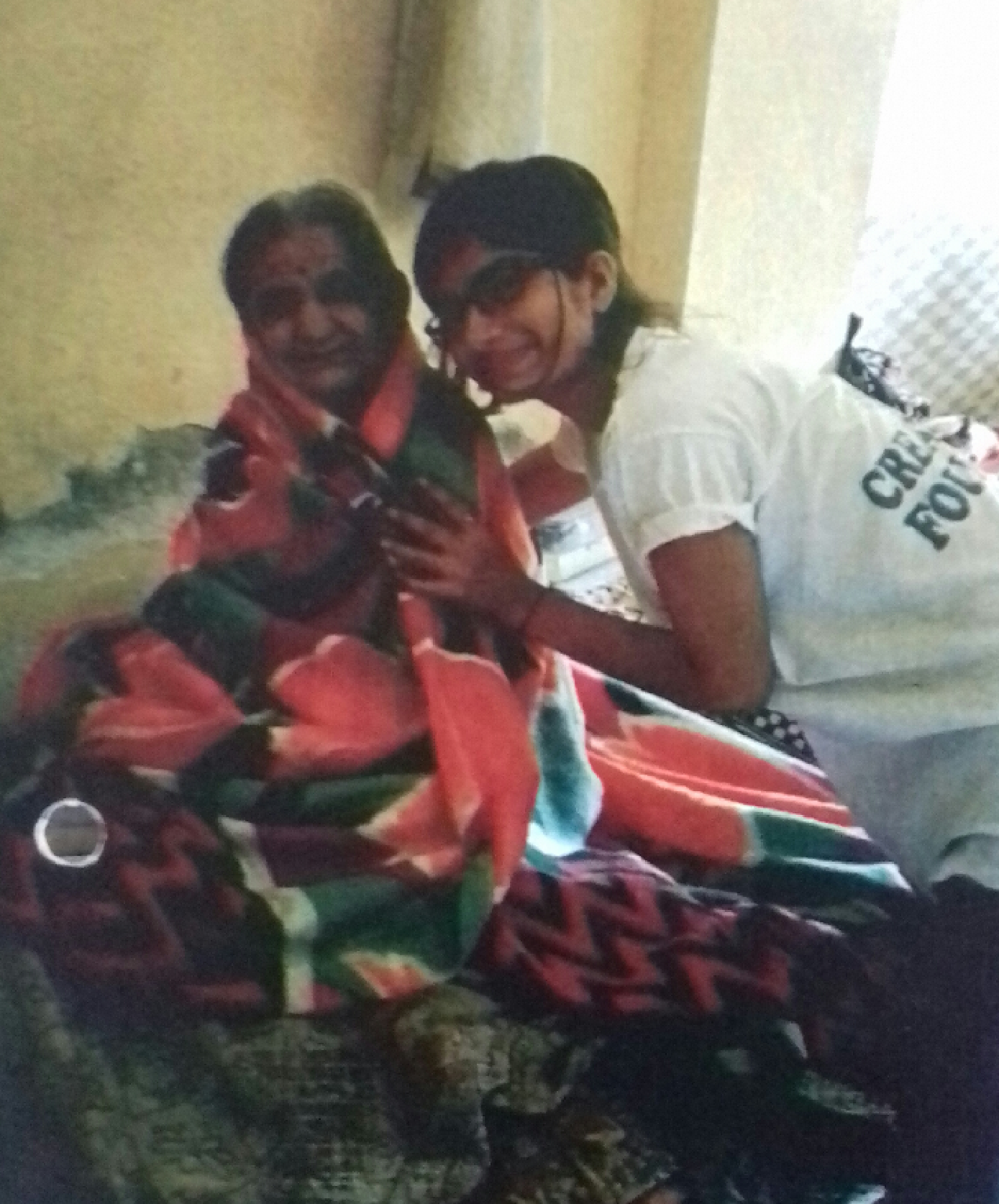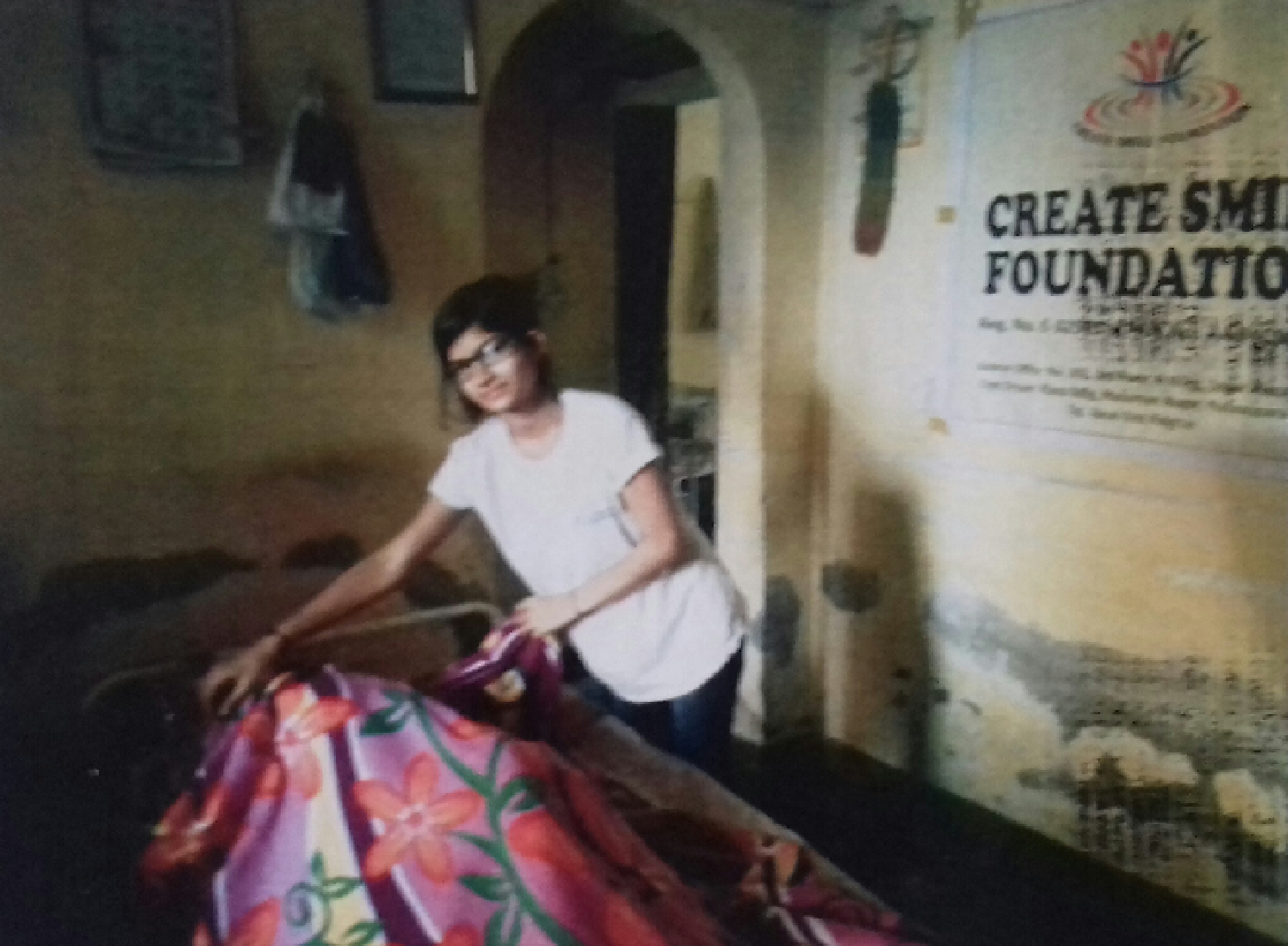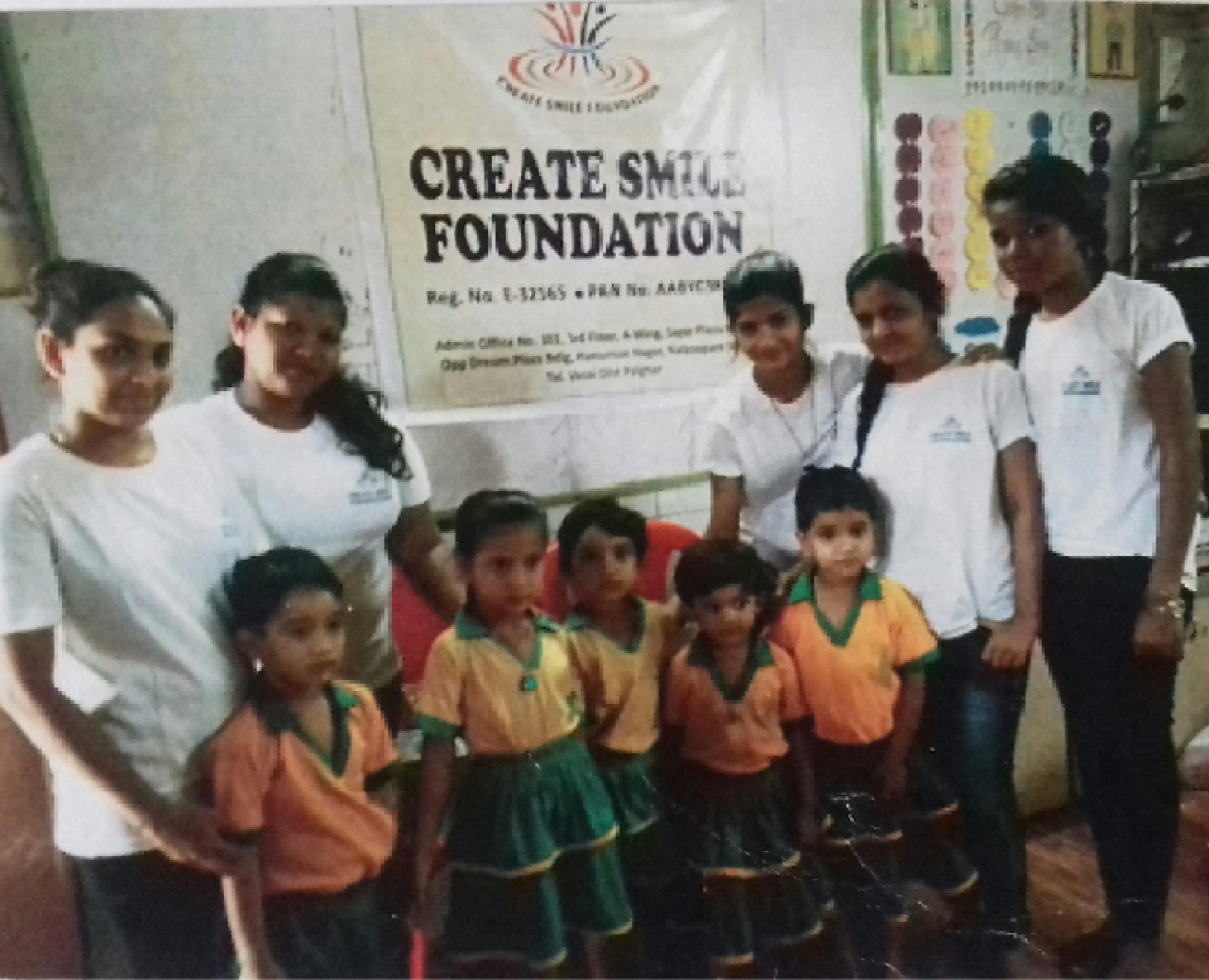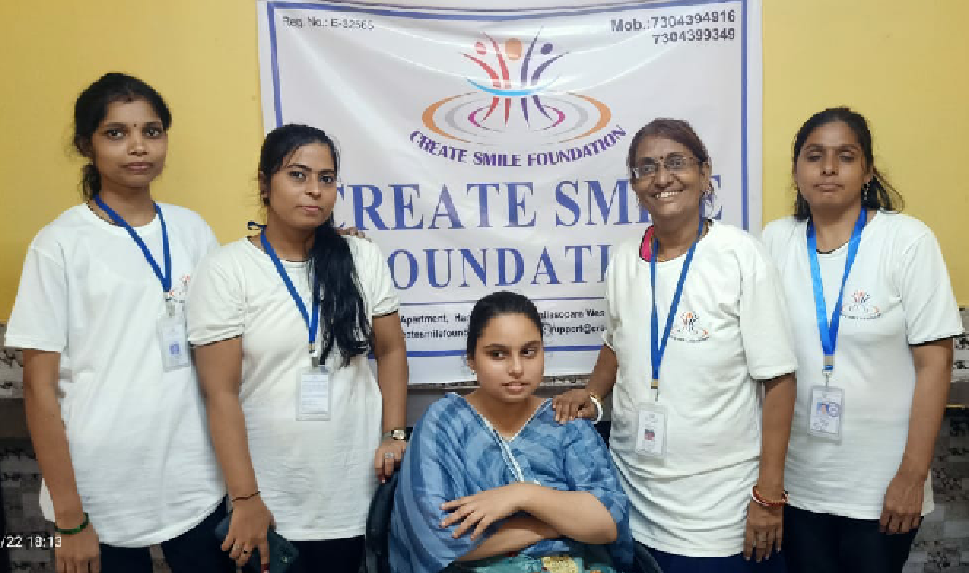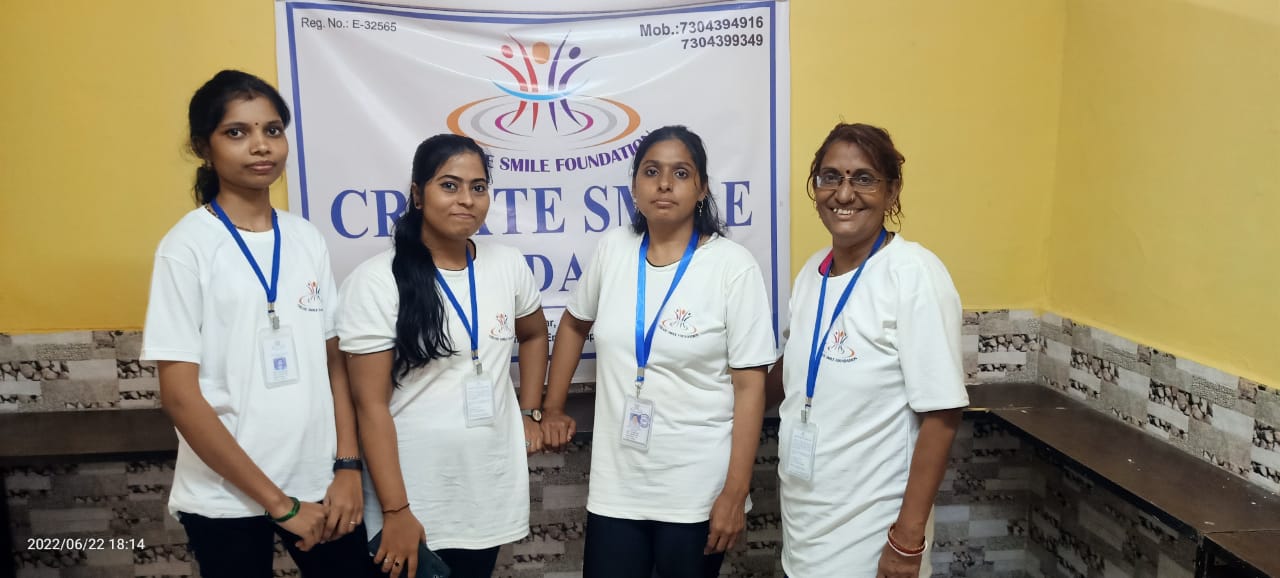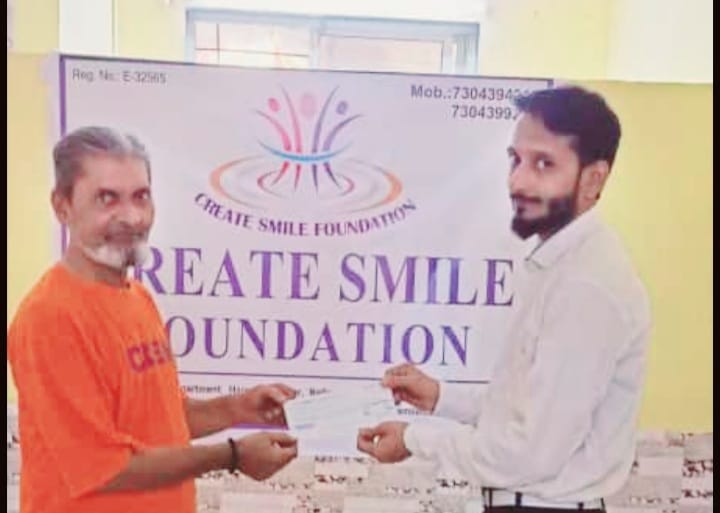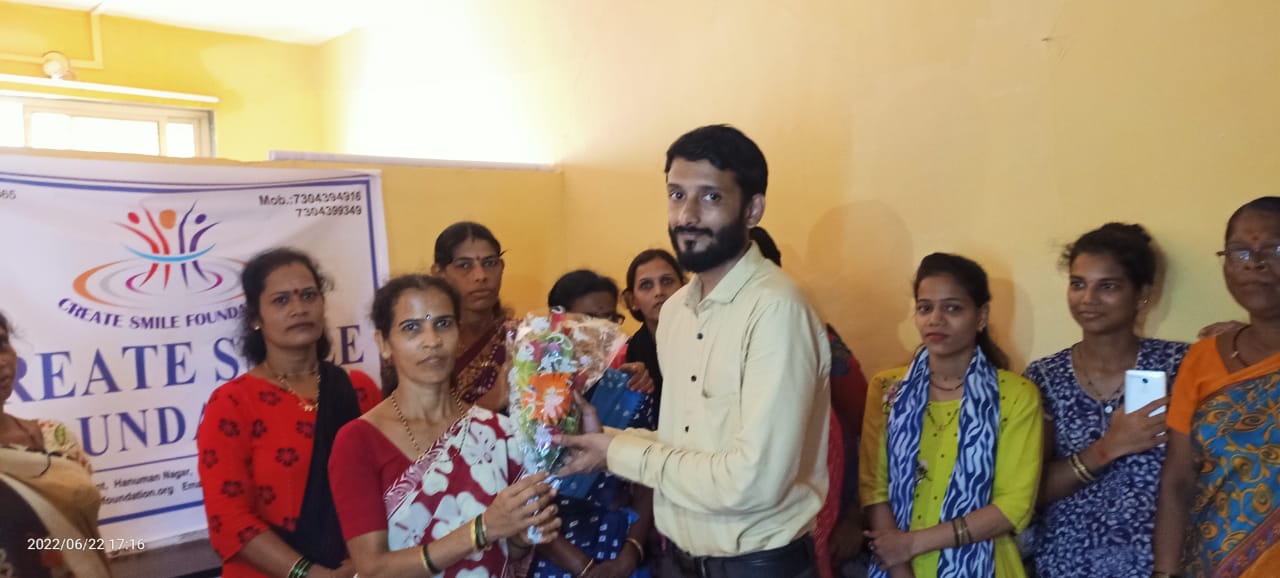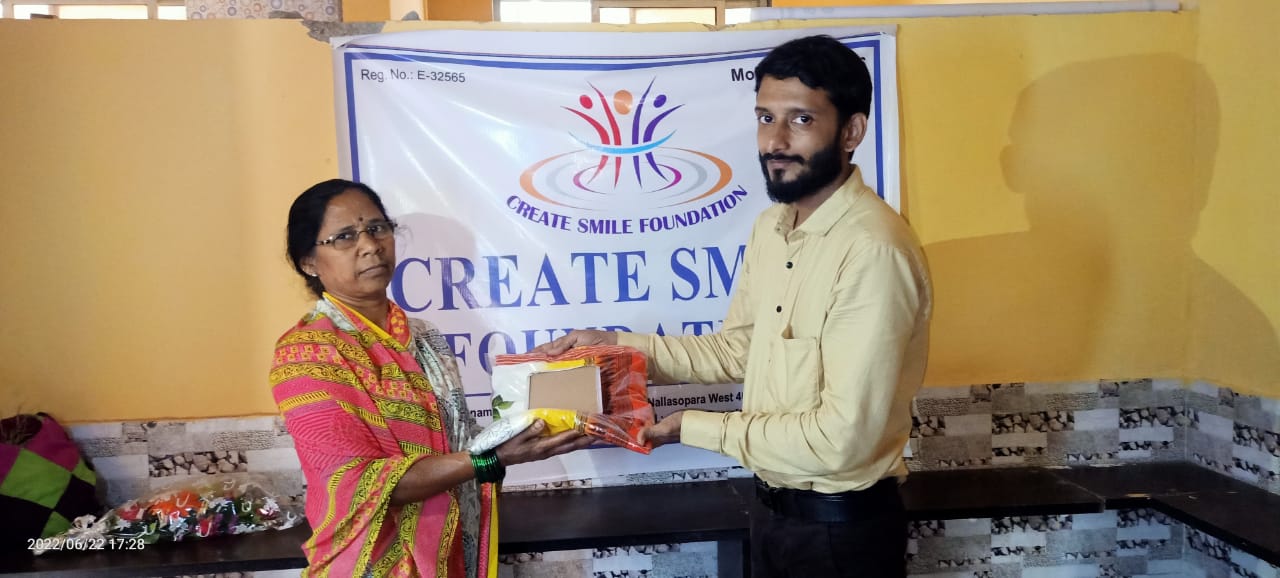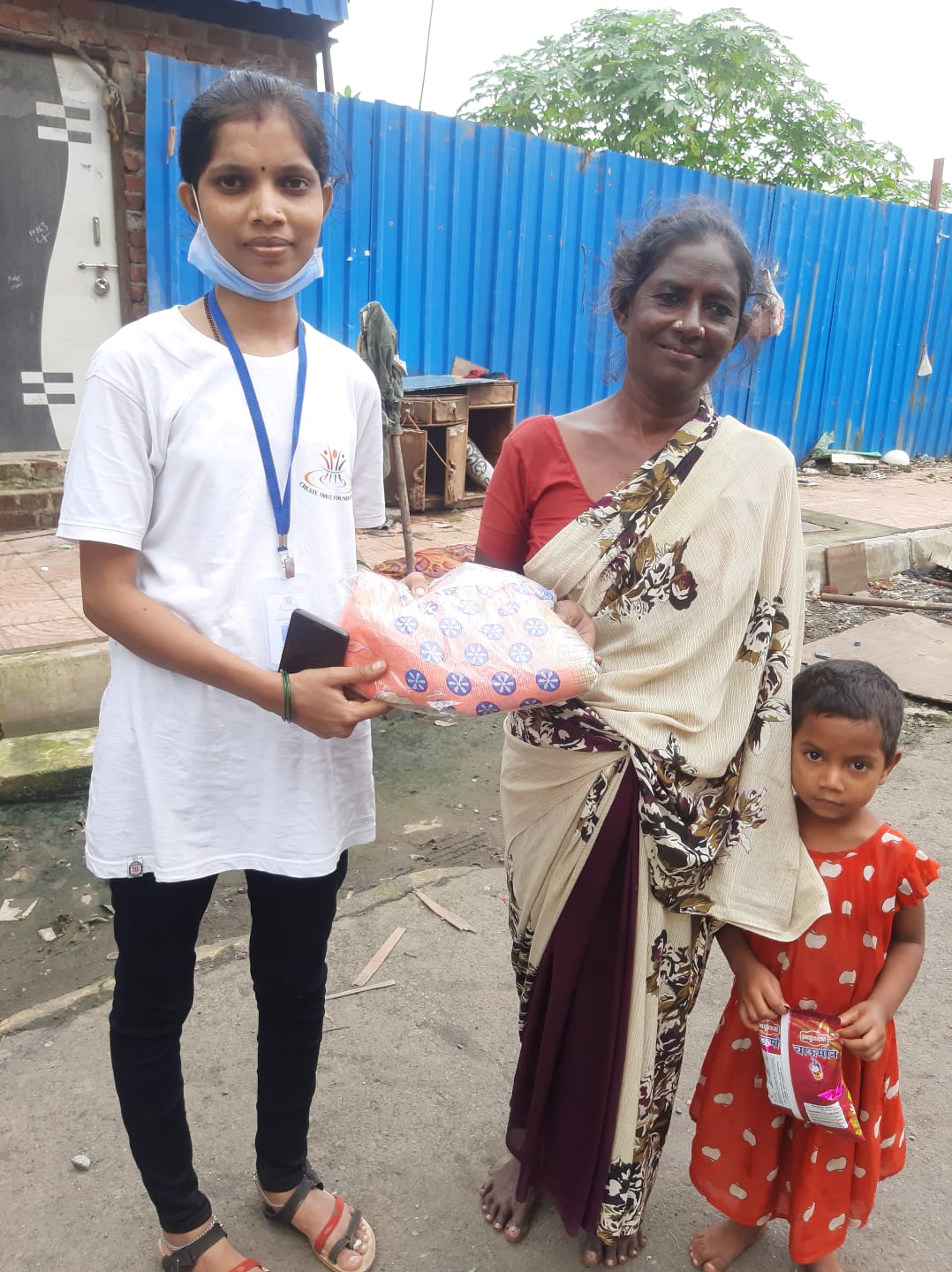
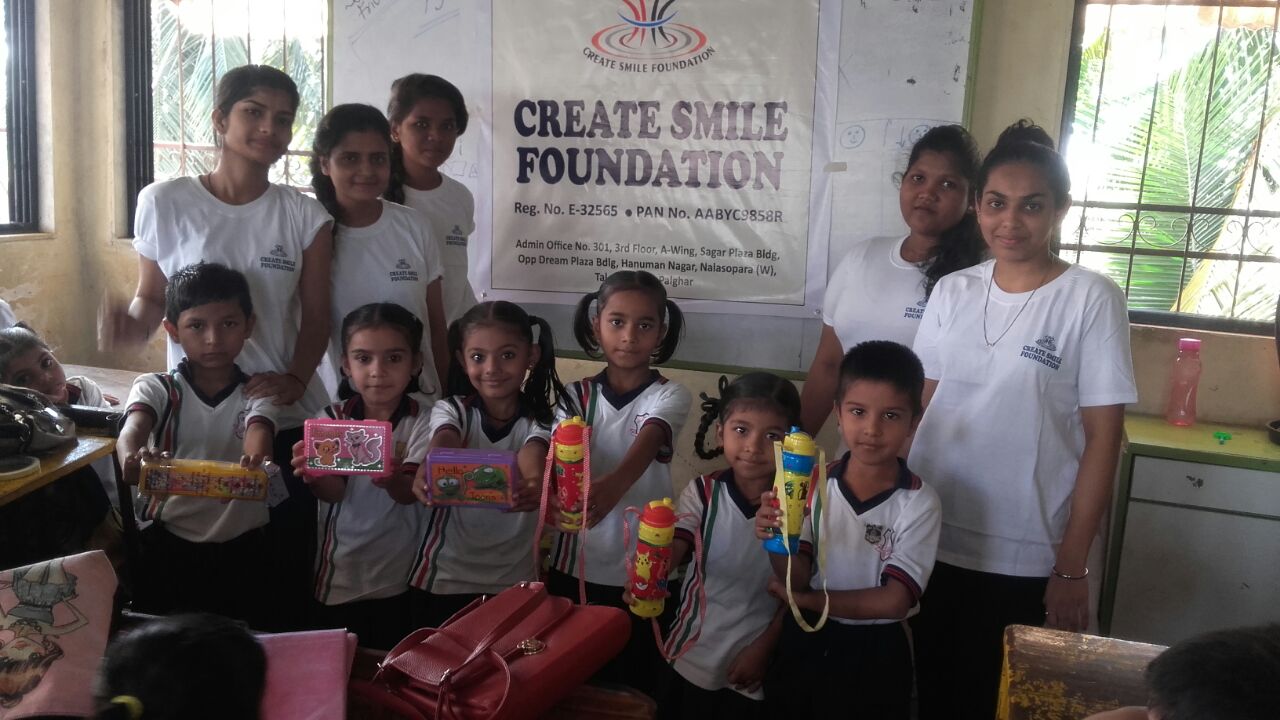
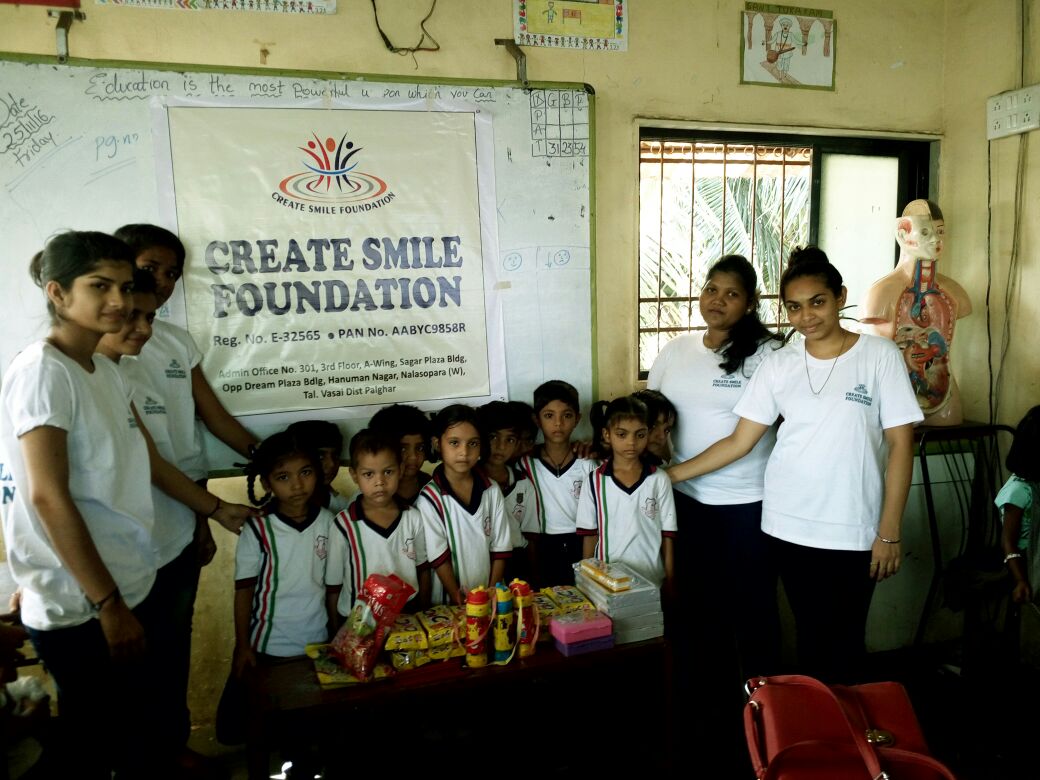
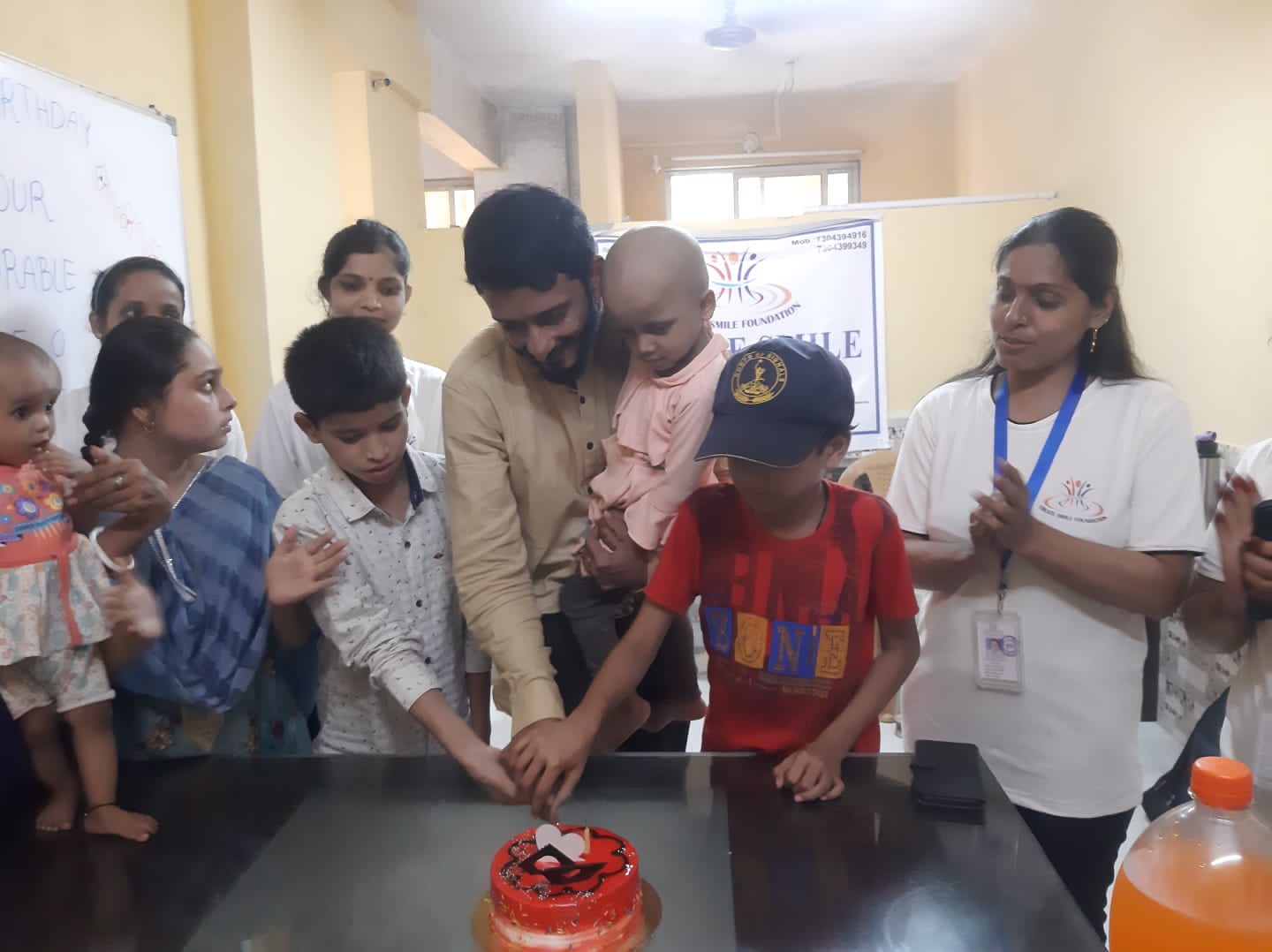


Create Smile Foundation is a non-profitable NGO which was started in the year 2016. It works for underprivileged people who do not have any kind of support and need our help. Our NGO supports those children who want to study but due to lack of finance they cannot study.
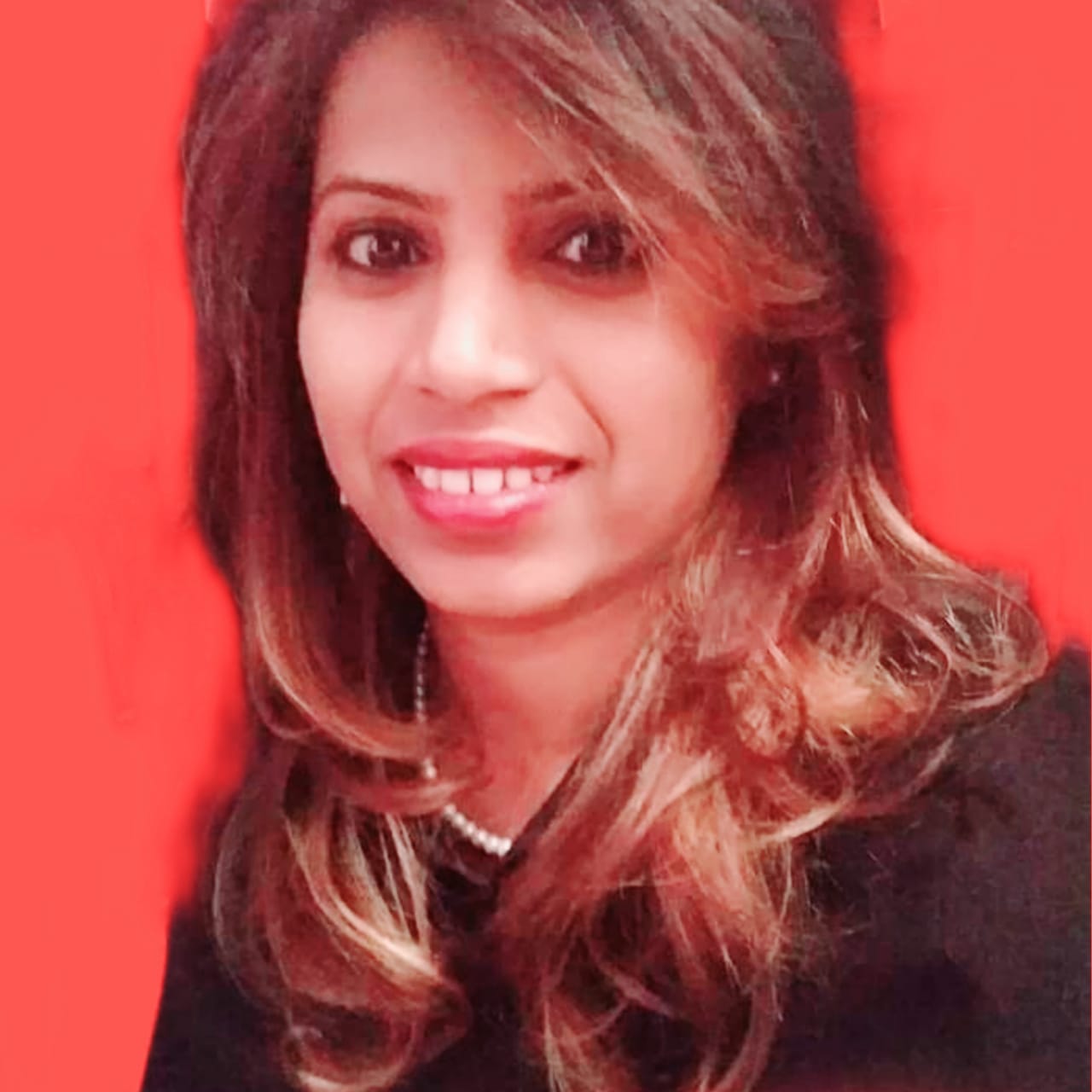
The Founder of Create Smile Foundation comes from a middle class family. Due to financial problems in her family she was not able to go to school, when one educational trust (Kesar Baugh Trust) came forward and supported her to complete her education and helped her to sustain in her life. During that time she saw that the trust was also helping poor people for their medical treatment. Her father always used to tell her "when you will come up in your life don't forget to help the needy ones in their education and illness like cancer etc., and so she decided that when she grows and after finishing her studies, she will earn money and do some saving for establishing a new organisation for helping those people who really need help for education, medical treatment, problems due to poverty and give people a new hope to live in this world with a positive thinking. So many people have joined hands with her to initiate in solving these problems.
Create Smile Foundation has taken an oath to bring smile on those faces who are suffering due to Heart and Cancer diseases; and not getting proper treatment due to lack of funds. Also to provide poor children who are not getting proper education because of poverty.
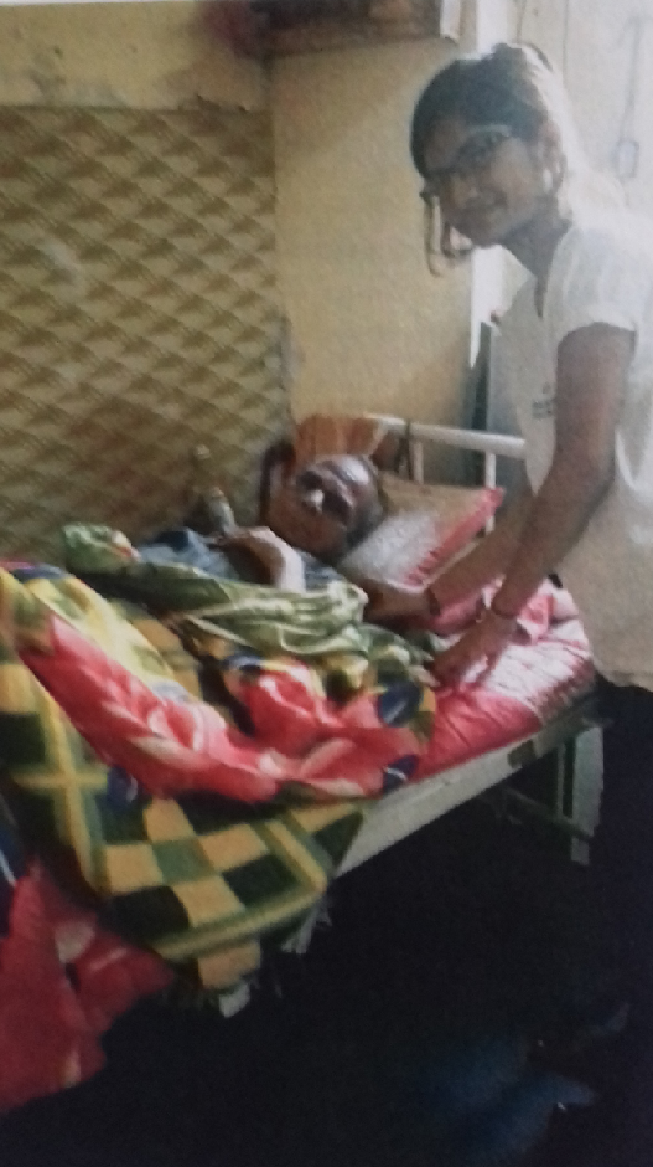
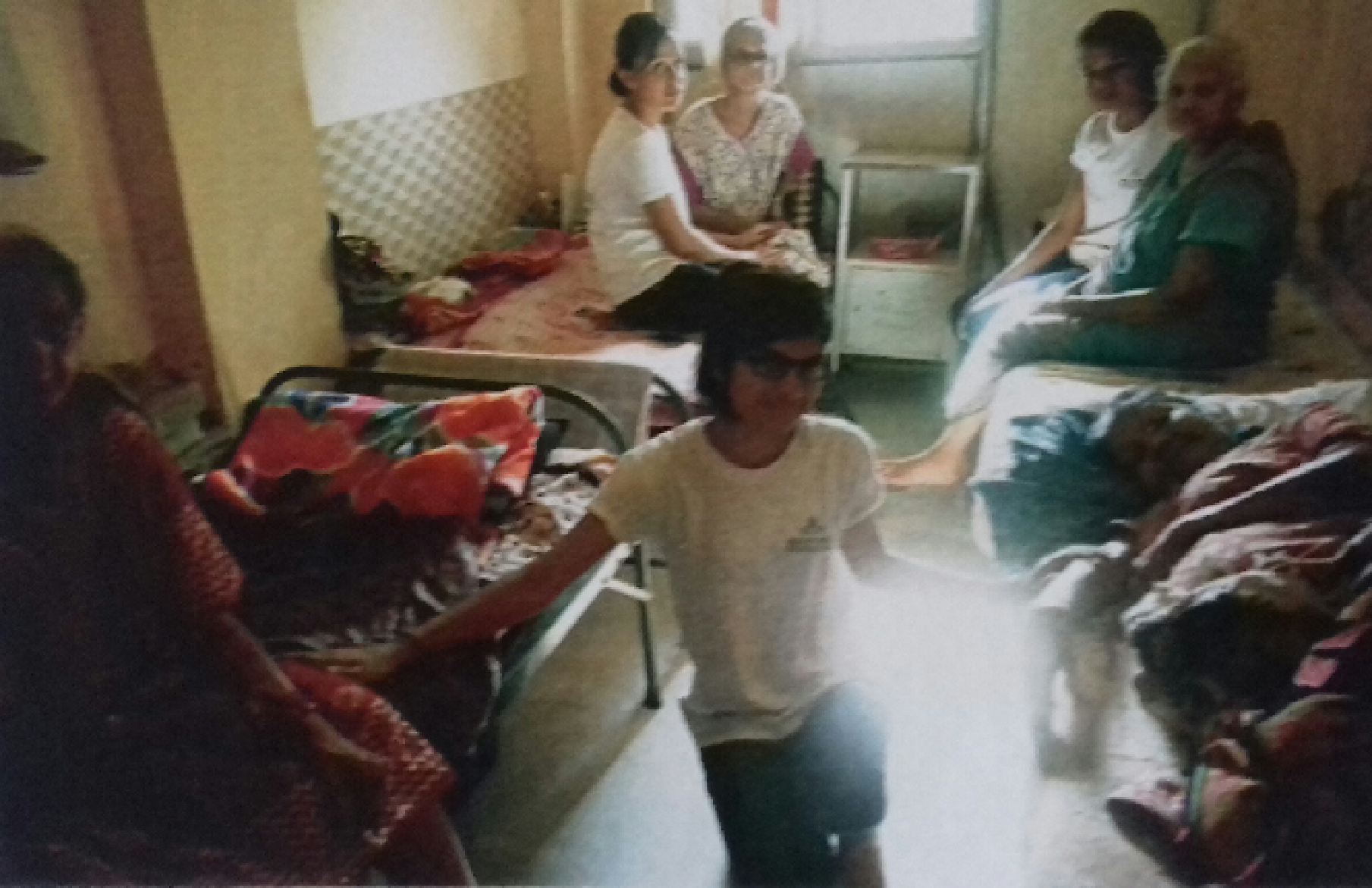
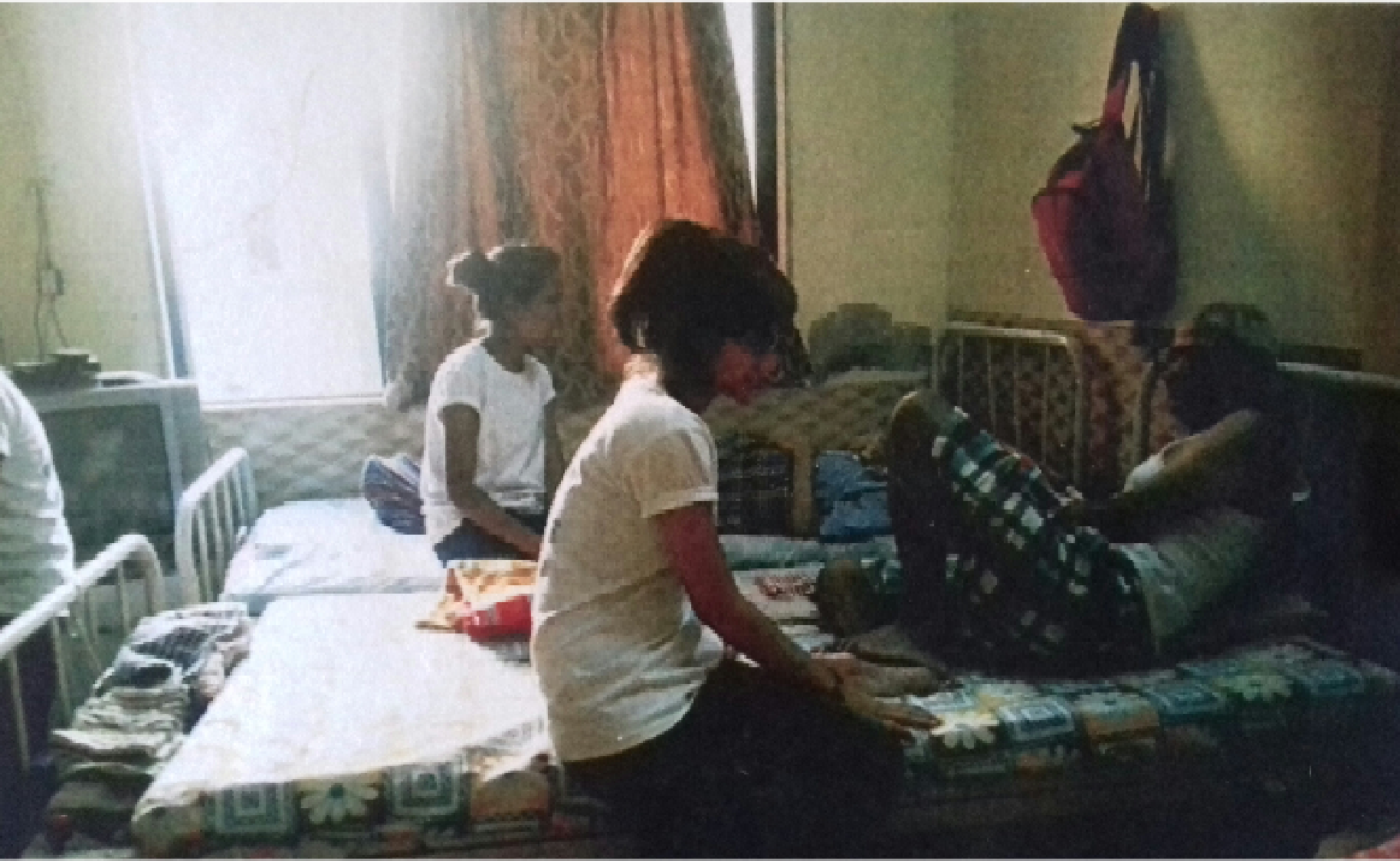
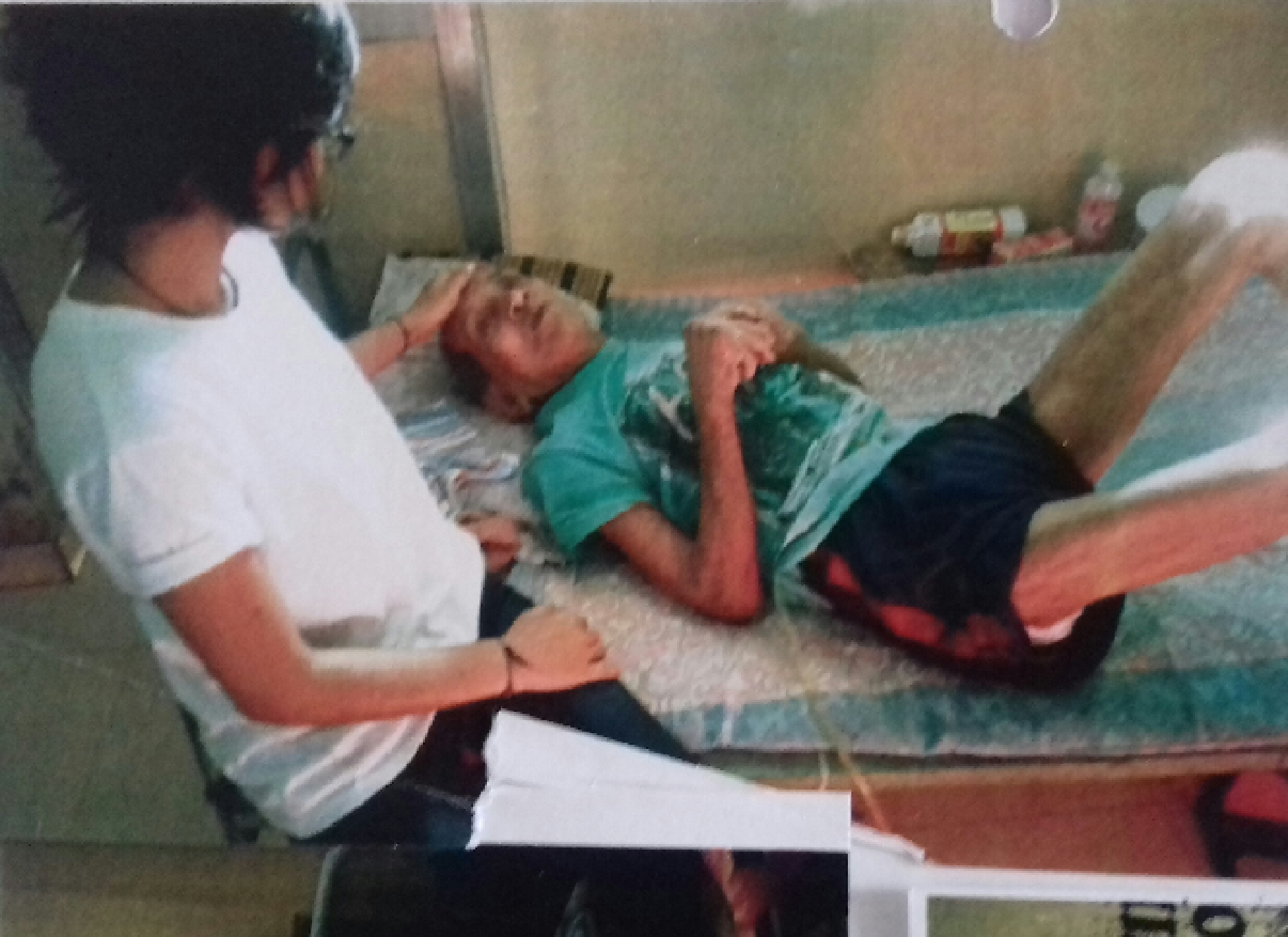
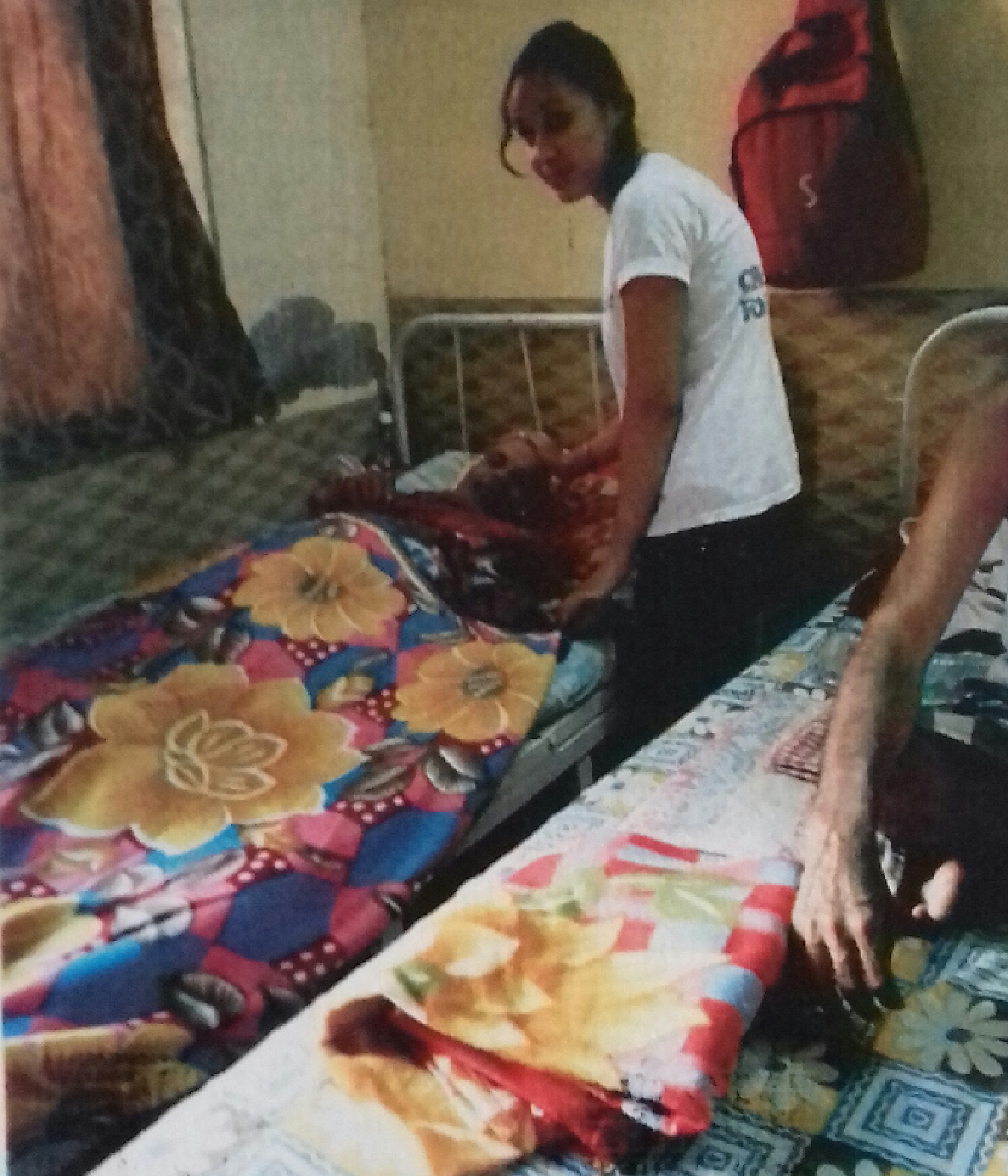
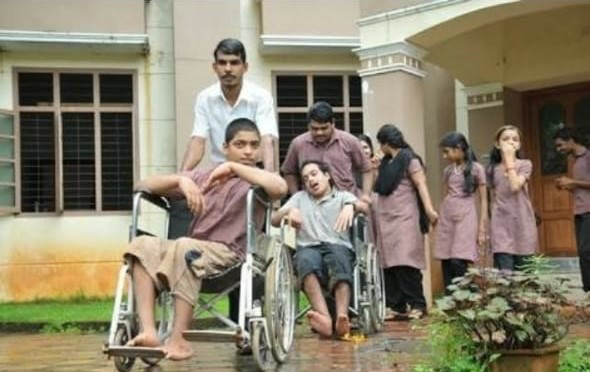
Our NGO also take care of elderly people who are staying away from their children. We will be taking care of their medication and treat them as our own parents. Also underprivileged mentally and physically challenged children will be taken care by our NGO.

India is facing a cancer crisis, with smoking, belated diagnosis and unequal access to treatment causing large-scale problems, according to experts.
Every year in India, around one million new cancer cases are diagnosed and around 600,000 to 700,000 people die from cancer in India, with this death toll projected to rise to around 1.2 million deaths per year by 2035, a new report on cancer care in India published in The Lancet Oncology reported. The new report has been compiled by Prof. Richard Sullivan and Prof. Arnie Purushotham from King’s Health Partners Cancer Centre at King’s College London with the help of senior Indian colleagues, including Prof. C. S. Pramesh and Prof. Rajan Badwe at the Tata Memorial Cancer Centre, Mumbai.
“Access to affordable cancer treatment and care in India lags behind other parts of the world. Making such treatment and care accessible will require addressing its causes, while also developing affordable treatments,” - Prof Sunil Khilnani, Director, King’s India Institute, King’s College London.
The report said that although India has a relatively lower incidence of cancer (around a quarter of that in the USA or Western Europe), the rate of deaths from cancer, adjusted for age, is similar to that seen in high-income countries.
Our NGO will help those needy cancer patients to get proper treatment and medicines such as chemotherapy drugs as referred by AIIMS / LNJP Doctors at the out-patient department of the hospital. Special provision has also been made to provide medicines to the patients, in case of emergencies.
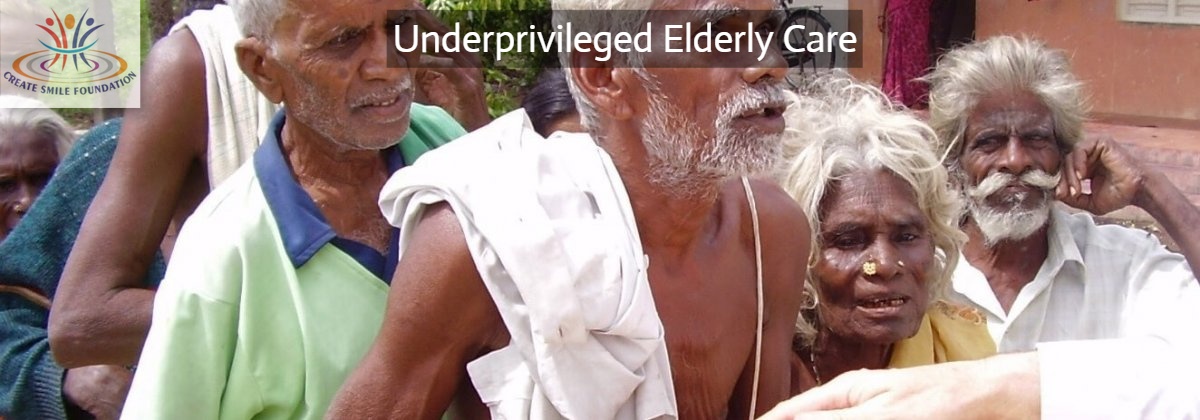
Elder care, often referred to as senior care, is specialized care that is designed to meet the needs and requirements of senior citizens at various stages. As such, elder care is a rather broad term, as it encompasses everything from assisted living and nursing care to adult day care, home care, and even hospice care. Elder care is not always an absolute; in fact, some senior citizens never require any type of care to live independently in their later years. However, elder care often becomes an issue when a loved one begins experiencing difficulty with activities of daily living (ADLs), both safely and independently. ADLs may include cooking, cleaning, shopping, dressing, bathing, driving, taking medicines, etc.
A general decline in health is often the impetus for the introduction of elder care, as it may indicate a waning ability to independently handle activities of daily living. For example, senility, which usually comes on at a gradual pace, may mean that a person who once remembered to take medication on time is now having difficulty doing so. Failing eyesight may mean your loved one is gradually losing the ability to move safely about the house,or advanced arthritis may mean he or she is having difficulty getting in and out of the bathtub without assistance.
The need for elder care may also happen quickly, as is the case if your loved one is recovering from a broken hip or recently had a stroke and is still suffering the cognitive and/or physical effects.
What is constant, however, is that elder care may be needed when a health condition –whether physical, cognitive, or even emotional – hinders the ability to safely complete activities of daily living.
Our NGO focus is to improve the quality of life of destitute elders primarily in the rural areas through its welfare projects by providing free rations, free medicines and consultations and conduct free cataract surgeries.

India has an estimated population of 1.26 billion and education remains inequitably distributed among various income groups and regions in the country. Literacy and participation rates are below those in other South Asian countries with similar level of economic development. Access of education to children of relevant age group is still inadequate. Educational institutions lack physical facilities. The target of minimum essential requirement of competencies for quality education has not yet been achieved. Educational institutions face shortage of qualified and motivated teachers, especially female teachers. Due to financial constraints and want of managerial capacity education targets remained unaccomplished.
Primary education has always been an important concern for society and the government. Universal literacy and the success of secondary and post-secondary education depend on how extensive and efficient the primary education system of a country is. Primary education is viewed as a service that must be provided to the populace, irrespective of affordability, and it is generally considered to be the responsibility of the state to deliver primary education. The public sector provision of primary education,like most other services delivered by the public sector, suffers from severe deficiencies in coverage, effectiveness and quality.
An orphanage is a residential institution devoted to the care of orphans—children whose biological parents are deceased or otherwise unable or unwilling to care for them. Biological parents, and sometimes biological grandparents, are legally responsible for supporting children, but in the absence of these, no named godparent, or other relatives willing to care for the children, they become a ward of the state, and orphanages are one way of providing for their care, housing and education.
Millions of children in the poorest nations of the world have suffered catastrophic family breakdown, such that these children – true Orphans – fend for themselves without champions for their lives. These children, the Ones at the very end of humanity’s line, have disappeared from our world’s “helping” agenda.
We as a NGO will help those children and make them live the life.
So our NGO mission is not only to look at issues concerning access to education, but also to ensure that every child has access to an education that is meaningful. We try and ensure that nutrition and health care needs of the children are met.

Children with physical and mental disabilities experience personal limitations in the social, psychological and economic spheres, some of which can be alleviated with parental, community and governmental support. The critical task is developing and maintaining a focus on abilities rather than on disabilities, then honing those abilities to provide the greatest degree of personal autonomy. Depending on the severity of conditions, the range of autonomy can vary from functional independence to assisted living to institutional care.
Children are remarkably resilient, but the psychological effects of physical and mental disability can be lasting and subtle. Beyond the obvious effects of social turbulence, mental disability can lead to frequent confusion, frustration, anxiety and anger. Some children, disabled or not, have sunny temperaments and roll with the punches. More often, though, disabled children internalize negative messages received from peers and assume they are less significant and valued than others. In this area, it's especially important for family and friends to communicate positive, reinforcing messages that the child is valued, loved and wanted. While it is not possible to shield a child from all derogatory remarks, it is possible to refute them.
So the key to preventing abuse is educating and training the disabled child. This means discussing appropriate and inappropriate contact and emphasizing the importance of reporting inappropriate contact to a trusted adult and this will be done by our NGO. We will provide them better training and living for their future.

Our mission and vision is to provide a preferential option for poor in various causes like Heart and Cancer Treatment, Education, Orphanage, Mentally and Physically Challenged Children Care; and Elderly People Care, by establishing long term relationship with organisations and work towards our goal of overcoming poverty by providing necessary assets to fulfil their requirements.
Create Smile Foundation’s future project is to setup an Old Age Home and an Orphanage, for which they have taken a plot of open land in Nallasopara.
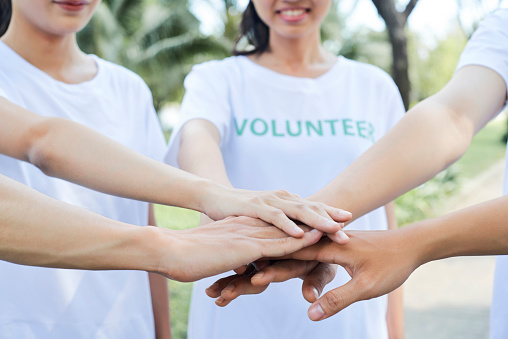
So please join hands with us and support us for this project so that very soon we can bring smile on orphan children and elderly people’s faces.